

About the UKMoths Website
Welcome to UKMoths, your online guide to the moths of Great Britain and Ireland. UKMoths has been providing identification help and information about Britain's moths for over 15 years.
What's UKMoths all about?
Traditionally, moth fieldguides have concentrated on the so-called "macro-moths", of which there are around 800 regular species. To study all of Britain's species incuding the often very interesting microlepidoptera, requires an expensive library of reference material.
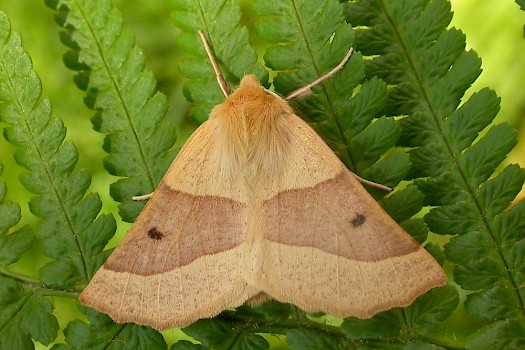
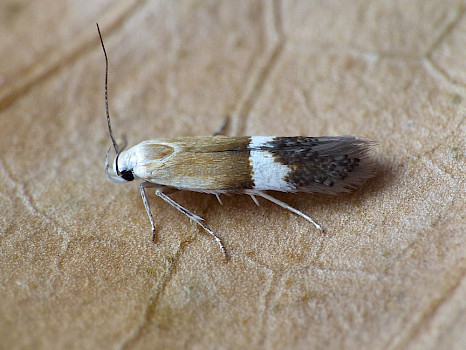
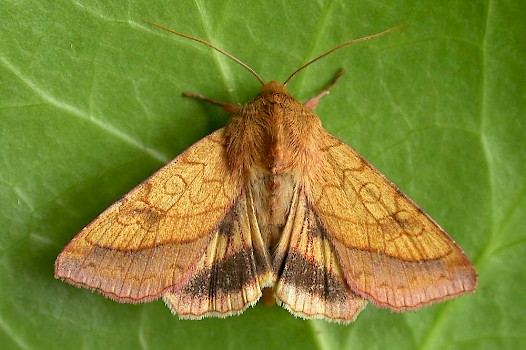
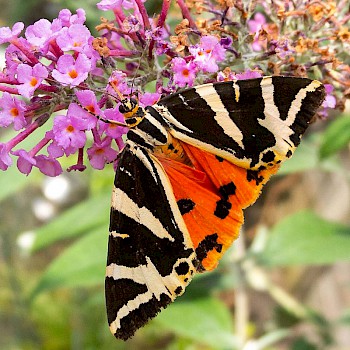
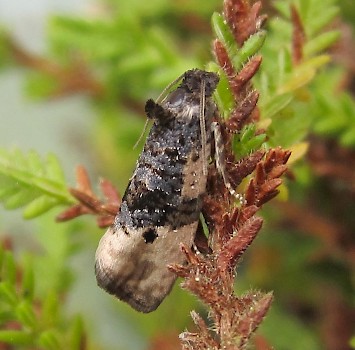
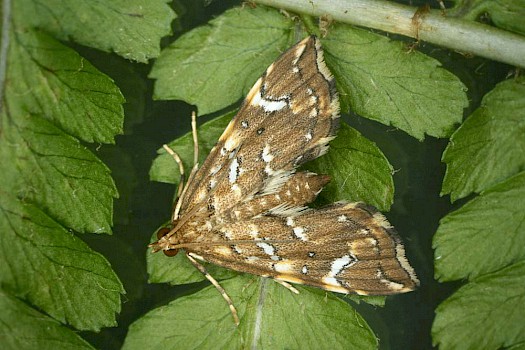
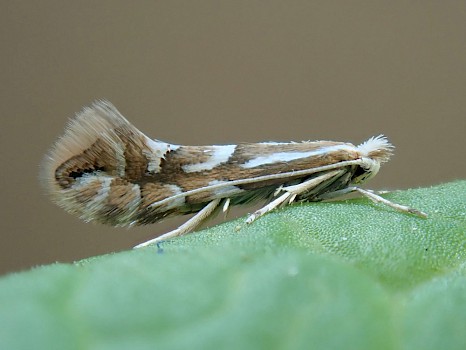
The ultimate idea of the site was to illustrate as many species of British moths as possible and to provide this information in an accessible format. Over 2500 species have been recorded in the British Isles, and currently 2286 of these are illustrated, featuring 7426 photographs.
If you have good quality photos of British moths or lifecycle stages not yet featured on UKMoths and would like to contribute, please check the guidelines for contributors.
What UKMoths visitors are saying
Dear colleagues, I am here by chance (as a hydrobiologist I checked some info for water larvae) but I can't leave these very interesting pages. I am delighted with your site! Many thanks for your excellent job! LN
Hi, What a great site you have, your keyword search is brilliant and allowed me to quickly identify the moth I found in my garden today. He was a friendly fellow, I picked him up to move him away from my dog who'll eat anything that moves. He didn't want to get off me, even climbing back on my shoe...
Just found your very lovely website, which I am going to be coming back to lots, now that my interest in moths is blossoming.
Saw an unusual moth sucking nectar from the honeysuckle in my garden - it hovered just like a hummingbird. Found your site and it was so easy to identify it! Funnily enough it was actually called a Hummingbird Hawk Moth - can't say I have ever seen anything like it! (South Lincolnshire)
I just wanted to thank you for this site - I've developed a mild obsession with working out what the moths that fly into the house at night are and this is invaluable. Thank you!